The journal
Magnesium and melatonin together: label facts and evidence limits
Reviewed 13 July 2026 · Educational content, not medical advice.
Magnesium and melatonin appear together in many night formulas, but they are not interchangeable. Magnesium is an essential mineral involved in many normal body processes. Melatonin is a hormone involved in circadian timing. Putting both on one label does not prove that the combination treats insomnia.
What magnesium evidence can and cannot show
Observational research links magnesium status with aspects of sleep, but randomized trials of magnesium supplementation report uncertain or inconsistent results. Reviews also note that studies use different forms, doses, populations and outcome measures.
The label should identify the magnesium compound and, ideally, the approximate elemental magnesium rather than showing only the larger compound weight. Read our comparison of bisglycinate, citrate and oxide.
What melatonin does
Melatonin helps signal biological night. Evidence and clinical guidance differ by sleep problem; major guidance does not treat over-the-counter melatonin as a universal solution for chronic insomnia. Short-term use appears relatively safe for many adults, while long-term safety remains less certain.
More is not automatically better. Daytime sleepiness, headache, dizziness, nausea and medicine interactions are among the practical reasons to use the label amount rather than escalating a serving.
Can they be taken in one formula?
The important questions are not merely whether both names appear. Check the exact amounts, recommended use, other sedating ingredients, medication interactions and whether you need professional guidance. Do not combine multiple night products without counting overlapping ingredients.
The Sleep Stack label
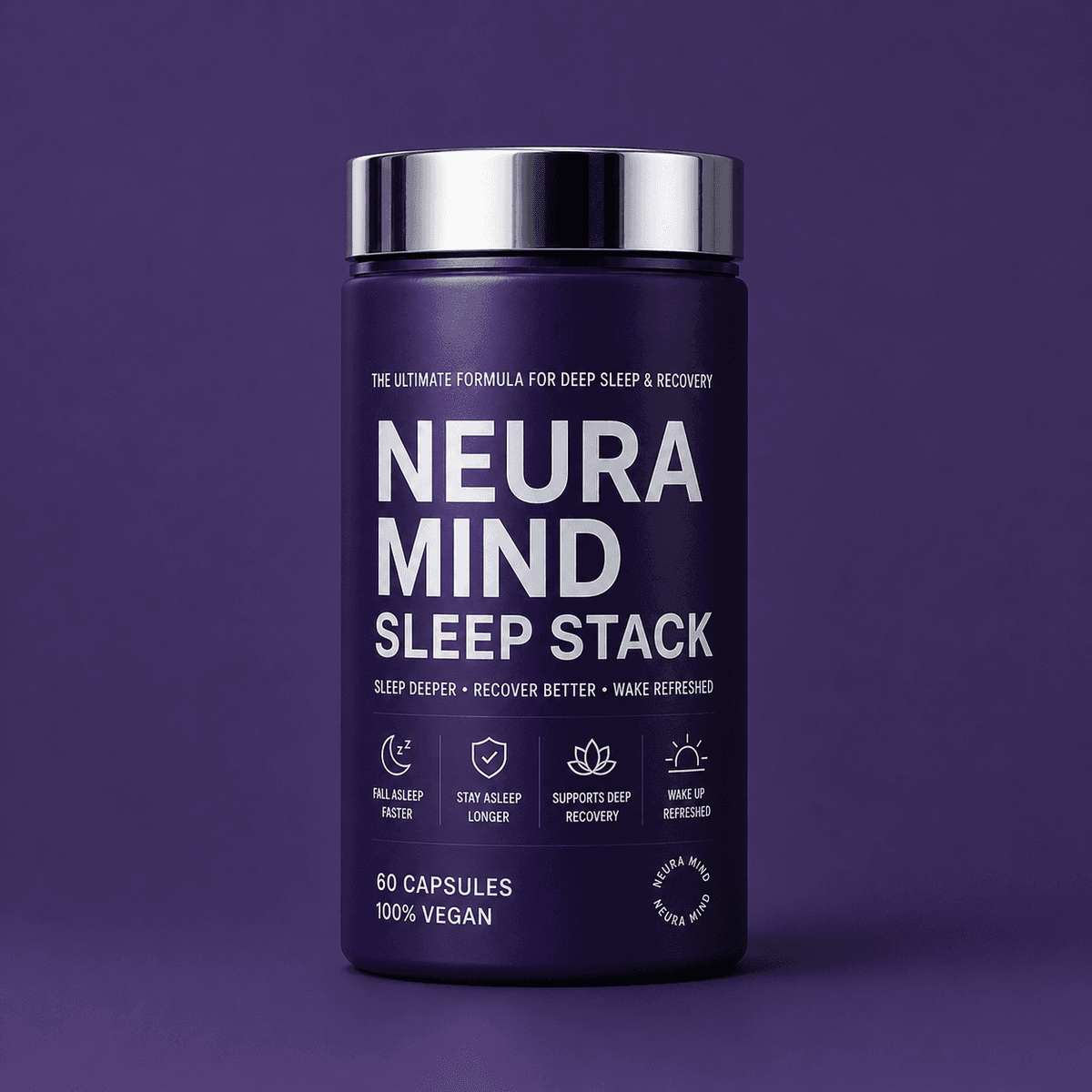
The Sleep Stack prints magnesium bisglycinate and 0.5 mg melatonin per serving, alongside its other disclosed actives. The product page distinguishes compound weight from approximate elemental magnesium. These are label facts; the finished nine-active formula has not been represented as a treatment for chronic insomnia.
Who should be cautious?
People who are pregnant or breastfeeding, under 18, taking medication—including blood thinners or medicines affected by magnesium—or managing a medical condition should seek qualified advice. Keep melatonin products away from children. Persistent insomnia, loud snoring, breathing interruptions or severe daytime sleepiness deserves medical assessment rather than repeated self-treatment.
Sources
- NIH Office of Dietary Supplements: Magnesium fact sheet.
- Systematic review of magnesium and sleep health.
- NCCIH: Melatonin—what you need to know.
Related: why a label might use 0.5 mg melatonin.