The journal
Citicoline (CDP-choline): evidence, dose and label questions
Reviewed 12 July 2026 · Educational content, not medical advice.
Citicoline and CDP-choline are two names for the same compound. It supplies choline and cytidine-related building blocks used in normal cell-membrane pathways. That biological role is real; the much harder question is whether taking it noticeably improves memory or attention in a particular person.
What human research has found
One randomized, double-blind, placebo-controlled trial enrolled 100 adults aged 50 to 85 who had age-associated memory impairment. Participants received either placebo or 500 mg citicoline daily for 12 weeks. The study reported improvements in selected memory outcomes in the citicoline group.
Those details define the limit of the finding. The participants were older adults with age-associated memory concerns, the intervention lasted 12 weeks, and the tested material was a specific citicoline ingredient. The result does not prove an immediate focus effect in young healthy adults, and it does not prove that every multi-ingredient supplement containing citicoline will reproduce the trial.
A broader review described mixed and population-dependent results. Some studies found benefits mainly among people starting with lower cognitive scores, while participants already performing well often showed little or no change. In 2024, the European Food Safety Authority reviewed a proposed citicoline-memory claim and concluded that a cause-and-effect relationship had not been established for maintaining or improving memory in middle-aged or older adults with subjective memory impairment. That negative assessment is important context, not something a transparent label should hide.
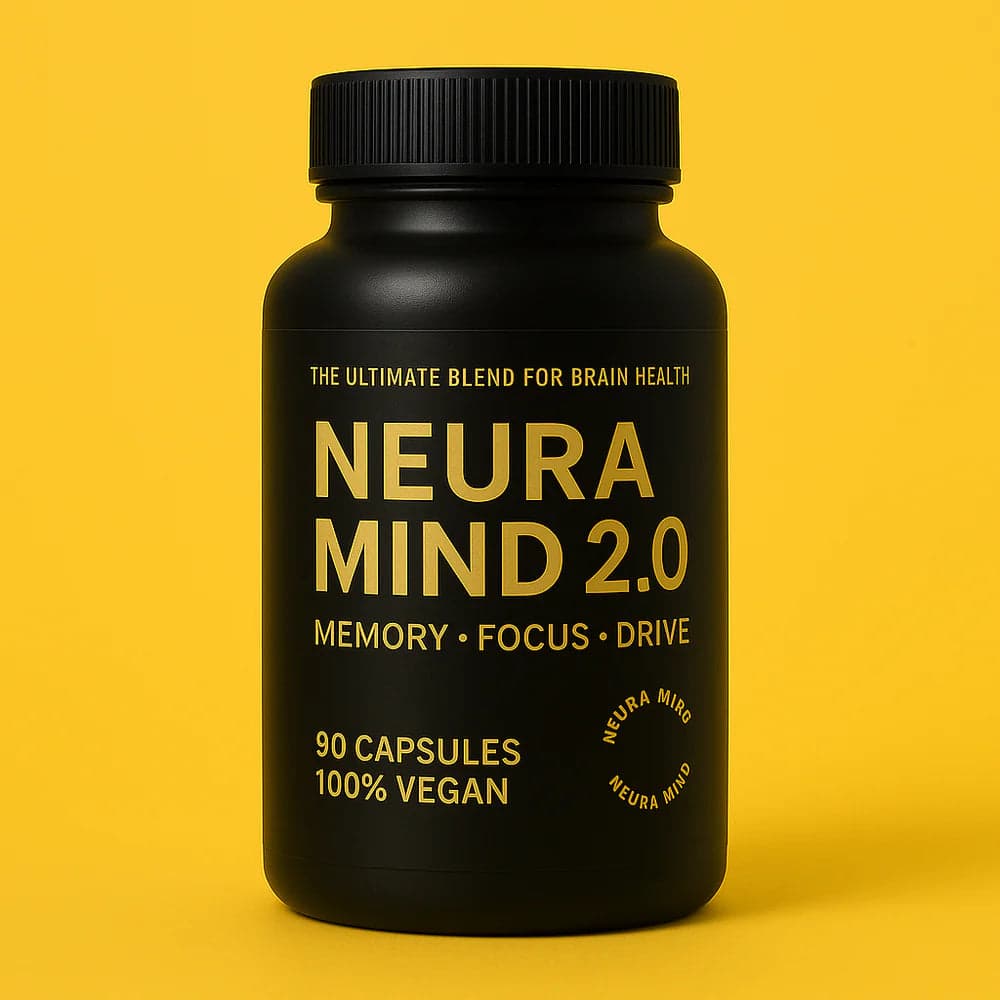
What dose appears on NEURAMIND labels?
- NEURA MIND 2.0: 500 mg citicoline per serving.
- Awareness Stack: 250 mg citicoline per serving in a caffeine-free formula.
These are label facts, not claims that the finished products produced the same outcomes as a citicoline-only trial. Multi-ingredient formulas need to be judged as finished formulas, and personal response is not proof of a clinical effect.
Citicoline label checklist
- Is the exact amount printed? “Choline complex” without milligrams is not enough.
- Does the label identify the form? Citicoline/CDP-choline is not identical to every other choline source.
- Is the marketing population the study population? Evidence in older adults should not be presented as proof in students or gamers.
- Is the time frame honest? A 12-week memory trial does not establish an instant effect.
- Are uncertainty and contraindications acknowledged? Strong certainty from limited evidence is a warning sign.
Safety context
Citicoline has generally been described as well tolerated in studies, but adverse effects and interactions remain possible. If you are pregnant or breastfeeding, under 18, taking medication, or managing a medical or neurological condition, discuss supplements with a qualified clinician. Citicoline is not a treatment for memory loss, dementia, stroke or any other disease.
Sources
- Nakazaki E et al. Citicoline and memory function in healthy older adults: randomized controlled trial (2021).
- Jasielski P et al. Application of citicoline in neurological disorders: systematic review (2020).
- EFSA Panel. Evaluation of a citicoline-memory health claim (2024).
Related: what the caffeine and L-theanine evidence actually shows.