The journal
A focus stack starts before the supplement: a practical routine
Reviewed 13 July 2026 · Educational content, not medical advice.
A supplement cannot rescue a focus system that is built on severe sleep loss, constant interruption and uncontrolled stimulant stacking. If you are comparing a “study stack” or deep-work supplement, begin with the variables that change both performance and how a formula feels.
1. Protect the sleep window
Late caffeine can make the next day’s fatigue worse even when it helps you feel alert now. A repeatable sleep and wake schedule is less exciting than a capsule, but it makes your baseline easier to understand.
2. Count caffeine from every source
Write down coffee, tea, energy drinks, pre-workout and supplements. Do not treat the caffeine printed on one product as your daily total. Caffeine can improve selected attention outcomes, but higher doses do not create unlimited accuracy and can increase unwanted effects.
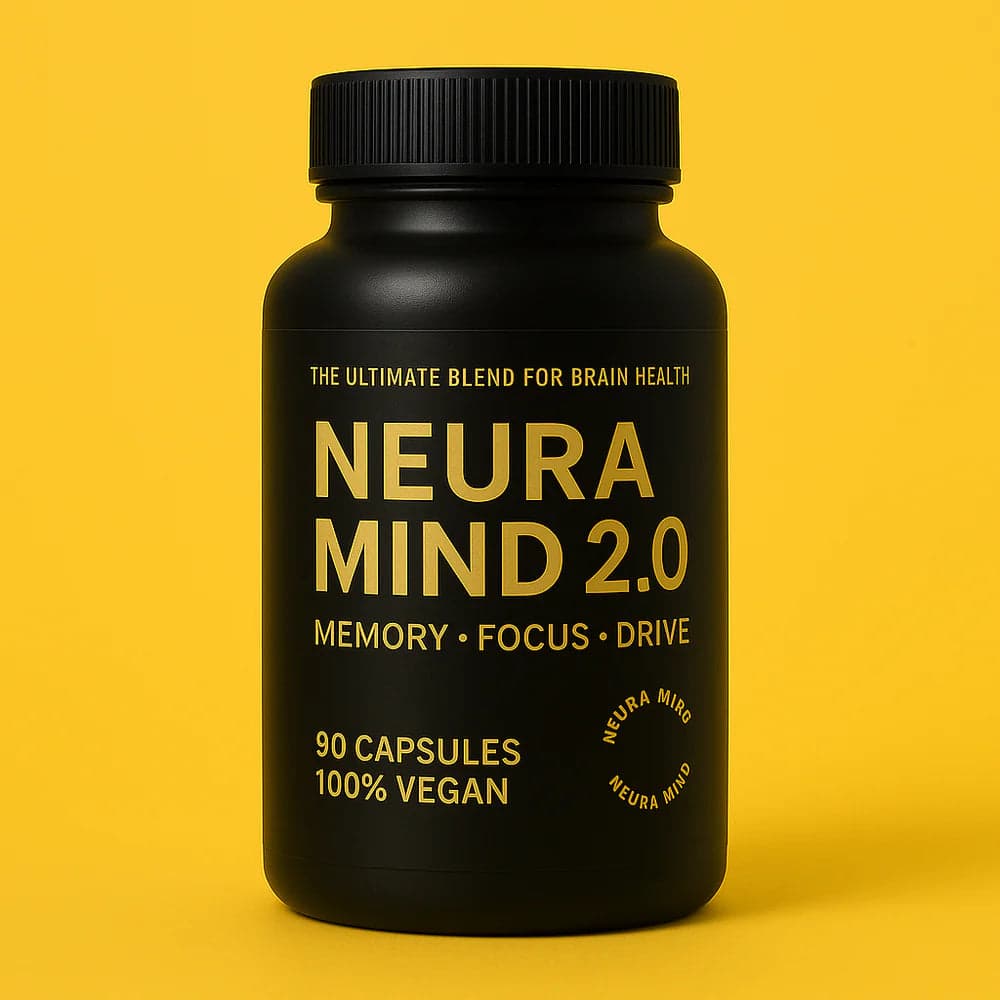
NEURA MIND 2.0 discloses 80 mg caffeine per serving. Awareness Stack is the caffeine-free route. Pick one lane deliberately instead of combining products blindly.
3. Define the task before judging the product
“Focus” can mean reaction time, sustained attention, resisting distraction, remembering material or simply feeling more awake. Human trials often measure one narrow task. Decide what you are actually evaluating before you interpret a good workday as proof.
4. Use a simple personal log
- time and serving used;
- other caffeine that day;
- sleep duration and approximate quality;
- one defined work block and its completion;
- unwanted effects such as headache, stomach discomfort, anxiety or delayed sleep.
A log does not replace a clinical trial, but it reduces recall bias and makes obvious confounders harder to ignore.
5. Do not turn exam pressure into unsafe use
NEURAMIND products are intended for adults. People under 18, pregnant or breastfeeding, taking medication, or managing a health condition should not self-prescribe a supplement stack. A product marketed for focus is not a treatment for ADHD or another medical condition.
Evidence boundary
Systematic reviews of caffeine and common cognitive-supplement ingredients report selected promising findings alongside uncertainty, inconsistent study designs and population limits. That supports careful dose disclosure and realistic testing—not guaranteed grades, productivity or intelligence.
Sources
- Systematic review and meta-analysis of caffeine’s acute effect on attention.
- Systematic review of cognitive-performance supplement ingredients in healthy adults.
Use the India buyer scorecard before choosing a formula.